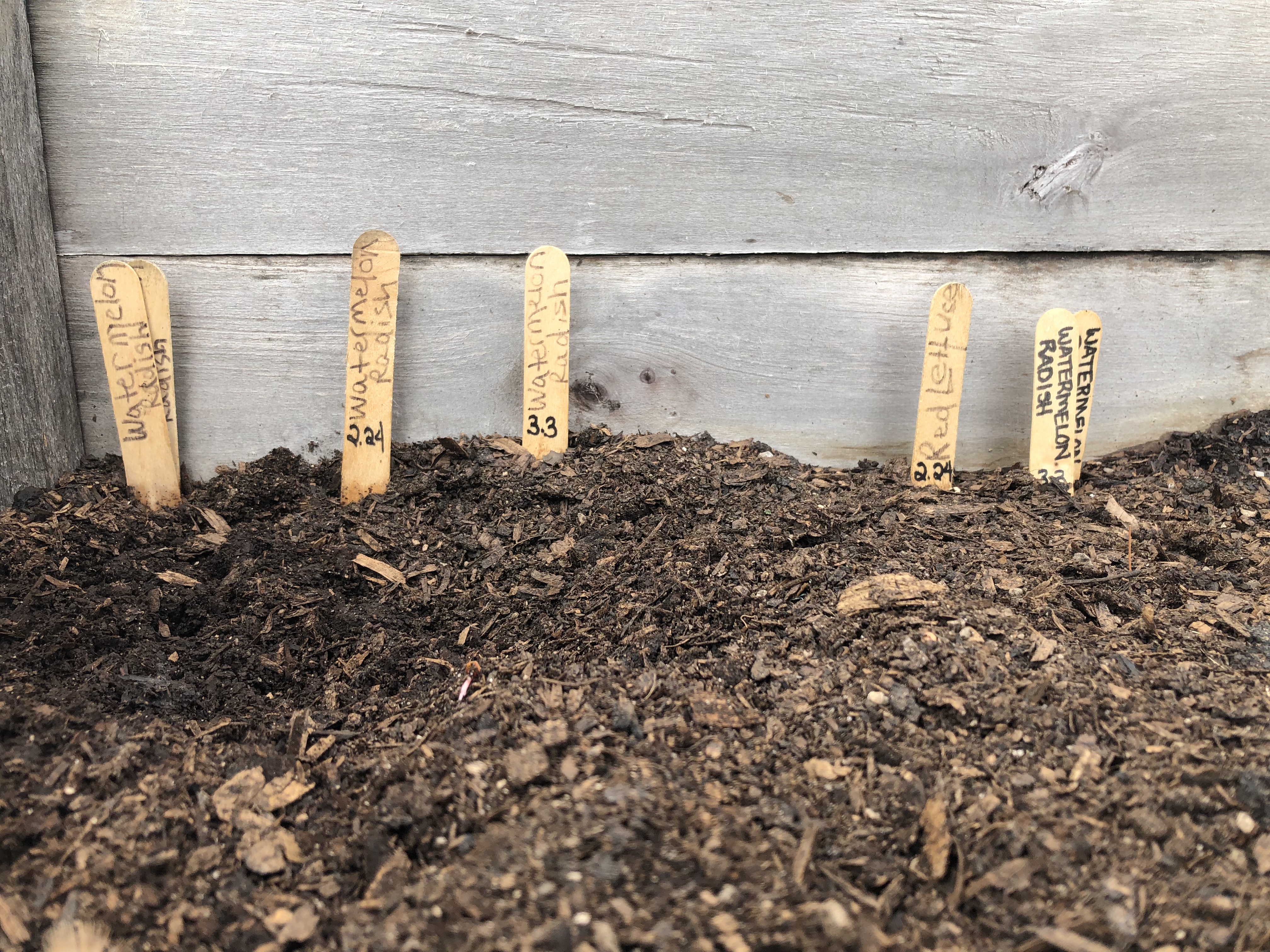
Let’s Get Gardening!

As winters sits behind us (thank goodness!) and spring begins to show its face, it’s time to start thinking about the garden. Each year, as the weather tries to make up its mind, we are given plenty of opportunities to start the planning process for the garden. Here are some tips we consider each year at this time that you can put to use in your own garden:

  1. Start with the basics. Deciding what to grow is always the easiest place to begin. Consider what is most important to your diet and needs. Don’t forget to include your neighbors because each year a garden usually produces more than one family can handle. Gardening allows us to connect to our community through the food we grow.
  2. Prep the soil. As we’ve seen this year, these late winter months usually bring iffy weather, so watch for the dry days and get that soil tilled and ready for those seedlings to be tucked in!
  3. Mulch, mulch, mulch! You’d be surprised how far a little mulch will go to protect your plants, especially in an uncertain temperature fluctuation (we call that Kentucky). This doesn’t have to be anything fancy. As a matter of fact, most resources needed for your garden are usually readily available in your own yard. We use leaf mulch. It adds a blanket to our soil, helping insulate and protect sprouts as they reach up from the dirt toward the sun. Not to mention, it’s free!
  4. Get things in early. Just because we are still shivering, doesn’t mean our plants are. A lot of the things we grow are adapted to these uncertain cold snaps. For instance, peas and carrots should always be planted as soon as the ground can be worked. They can handle more than you’d think.
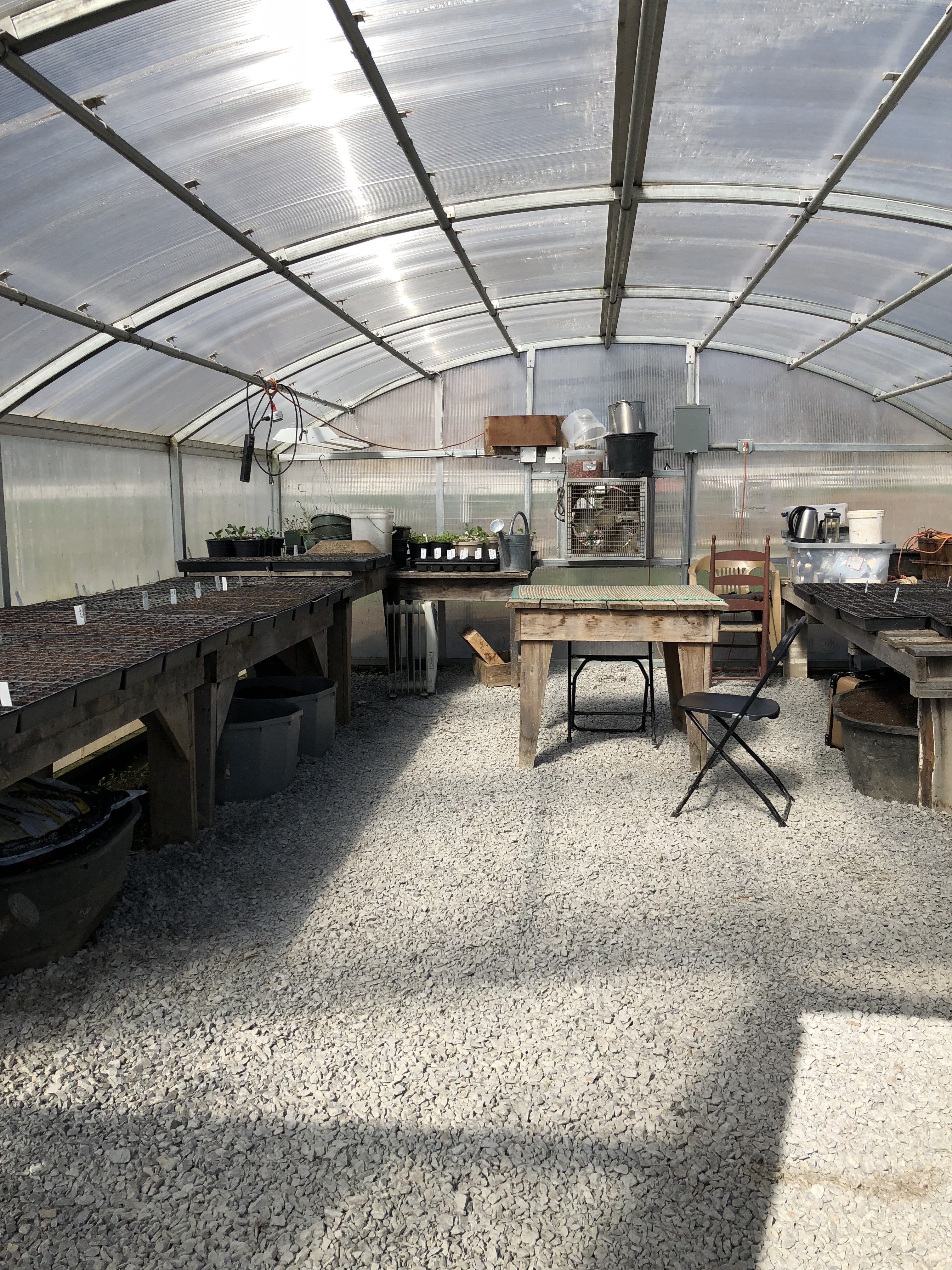
Cole crops, or brassicas, such as cabbage, kales, broccoli and collards are extremely cold hearty, but why wait for sprouts in the garden when you could have them growing in your window waiting for warmer days? (They have to be coming soon, right?) Seed the rest—not all things like to be transplanted. Crops like lettuces, beets, radishes and turnips would all rather be directly seeded into our gardens. And don’t worry, they too are more cold hearty than given credit.
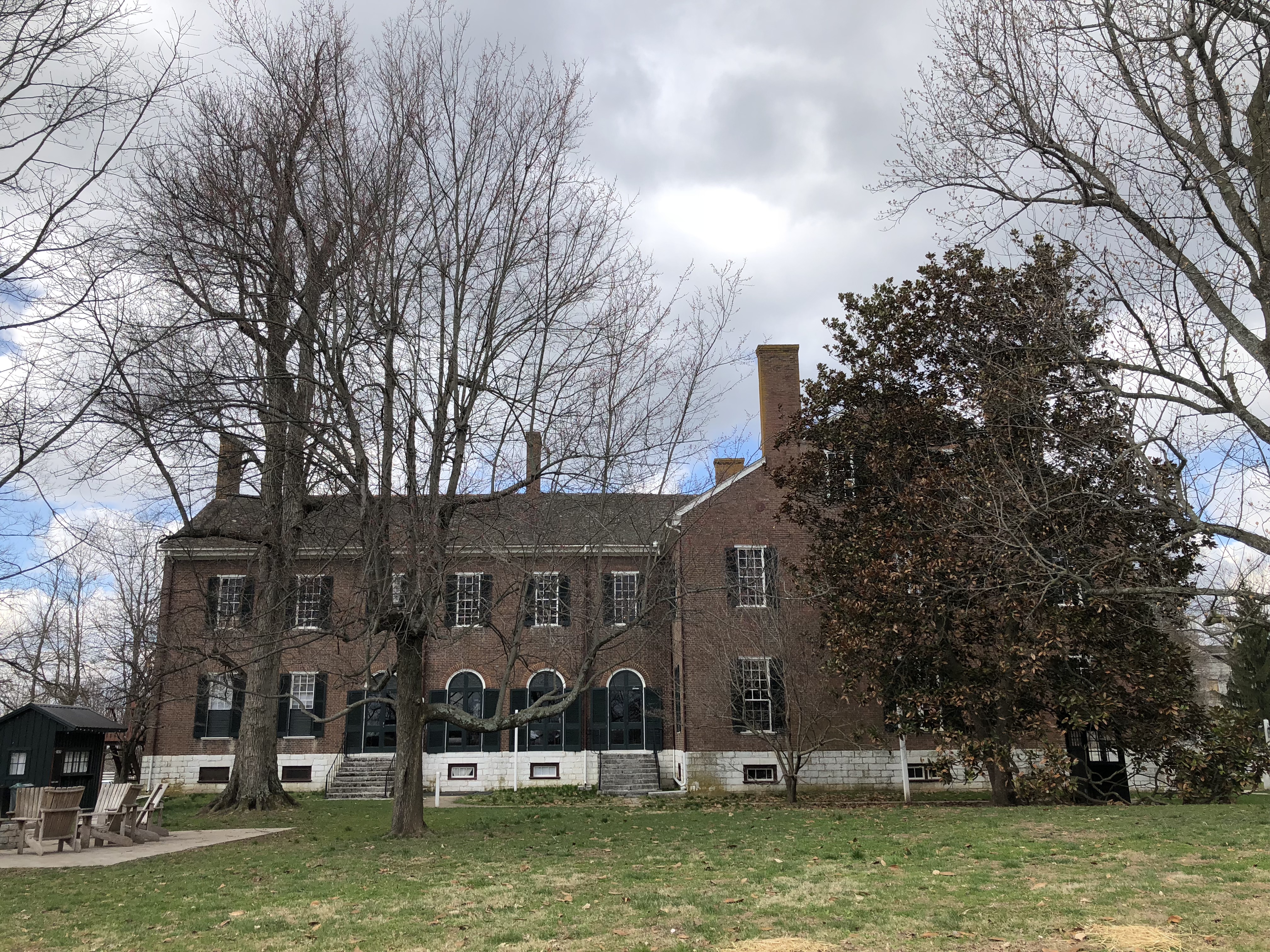
The view of The Trustees’ Table standing in the garden area. Music on the Lawn starts in May!

If gardening isn’t your thing, no worries—it’s ours and we invite you to come visit! Each year, we produce a high diversity of vegetables for The Trustees’ Table, where you’re served a seasonal and sustainable selection of vegetables from our farm to your fork. Visit The Farm any day of the week to see what’s sprouting (and even take a little taste), during our Spring Farm Tasting program where visitors sample seasonal selections from the greenhouse and garden, including our fresh herbs. Glean from the first flavors of spring while uncovering the Shaker practice of spiritual cultivation through preparing the fields for planting. Stop by and talk to us while you’re here. We’d love to hear about your own gardening practices. Then, make a reservation at The Trustees’ Table to see what our chef has created from our bounty.

Happy Plantings!


Mike Moore, Assistant Farm Manager

Spring has Sprung at Shaker Village

Twinleaf Buds

Don’t be fooled by the weather–spring is here! The calendar says March 20 is the very first day of spring, but if you judge springtime by the appearance of wildflowers and fresh green growth, spring actually started way back in late February.

Bloodroot

Virginia Bluebell Buds

Wildflowers began blooming on The Preserve a couple weeks ahead of their usual schedule, and the occasional snowstorms have done little to slow them down. Our earliest blooming wildflowers, despite their small and delicate appearance, are tough and well-adapted to cold weather. Look closely and you’ll find them waiting in the woods for you!


Join us on April 7 for Walking in Wildflowers. During this Discovery Trek, enjoy a guided walk along the Kentucky River Palisades to view spring ephemeral wildflowers in bloom. You’ll see some of the ones above and even more!


Laura Baird, Assistant Preserve Manager

Cocktail Recipe: Slowing Thyme

With just a few warm days around the Village, we’re quickly getting excited for spring. Spring means baby animals, goodies from the garden and fun, outdoor activities on The Preserve. Incorporating fresh garden ingredients into the menu goes farther than just the food. As often as possible, we try to use ingredients from the property in recipes for food and drinks served out of The Trustees’ Table and in onsite catering services. Here’s one recipe that you’ll find on our menu this spring:


Slowing Thyme Cocktail Recipe

Ingredients:

  • 1.5 oz. Hendrick’s gin
  • .75 oz. St. Germaine liqueur
  • .5 oz. classic simple syrup
  • .75 oz. lime juice
  • 3 cucumber slices
  • 2 thyme sprigs

Process:

Muddle one thyme sprig with simple syrup and two cucumber slices.

Add to the rest of the ingredients and shake.

Serve in a highball or Collins glass.

Garnish with thyme and cucumber.


Music on the Lawn starts in May, but that doesn’t mean you have to wait until then to enjoy the patio and garden views. Grab a drink and a place by the firepit anytime of the year!


A.J. Gaidzik, The Trustees’ Table

A Giveaway You’ll Love…

Still hunting for that perfect Valentine’s Day gift? Enter to win two tickets to a Fresh Food Adventure at Shaker Village!

Growing up in Mexico’s Yucatan Peninsula, Chef Bruce Ucán was exposed early on to the flavors and techniques of his family’s Mayan cooking. He came to the U.S. in 1987 where he cooked in several local restaurants in Louisville, Ky. Entrepreneurial in nature, Chef Ucán always wanted to own his own business and create his own food. In 1996, he started a food truck business, the Gypsy Van, that sold tacos, salbutes and tamales at farmer’s markets, construction sites and festivals. Just a year later, he opened a restaurant on East Market Street called the Mayan Gypsy, which he later transformed into the The Mayan Cafe, his current endeavor. There, he fuses traditional Mayan recipes and flavors with local, seasonal ingredients. He grew up eating the fruits and vegetables grown around him and is committed to sharing this philosophy for food with his customers.

Chef Ucán is taking over the Trustees’ Office on March 10! Join us as we celebrate the flavors and techniques of Mayan cooking. The event is also featuring Copper & Kings brandy. Limited tickets are available here.

Giveaway has ended. 


Giveaway valued at $200. Winner will be chosen at random and announced on February 19, 2018. 

Bird Banding 101

Just like every department, The Preserve team has unique ways in measuring successes for Shaker Village. Since we started converting cool season pastures to native warm season grasses and wildflowers in 2009, we have dramatically changed the vegetative composition of the landscape. The majority of the changes we’ve made to the landscape were done to enhance the habitat of grassland obligate songbirds, such as the Northern Bobwhite Quail. Essentially, if you build and maintain good habitat for quail, then you raise the level of habitat for all songbirds. So, how can we tell whether this project has been a success?

Bird Banding at Shaker Village from Shaker Village on Vimeo.

Bird Banding is a metric we use to determine if we have been successful with our habitat enhancement that involves capturing birds using the protocols set forth by the Institute for Bird Populations’ Monitoring Avian Productivity and Survivorship (MAPS) program. We set up mesh nets and check them at regular time intervals. The birds are removed from the nets and placed in protective bags, then checked for fat stores, breeding condition, feather wear and age by trained wildlife biologists. After that, the birds are released back into the wild.

This project was set up to obtain four years of baseline data in an abandoned cool season pasture, then convert the pasture to native warm season grasses and wildflowers, while continuing to collect data for a total of 10 years. This gives us an idea of how the property was used before the conversion, as well as what impact our conversion has had on bird health and overall numbers. What we’ve found after nine years of MAPS efforts is that birds LOVE what we’ve done with the place. Number of captures have been slightly up during the breeding season (May-July), but way up during the migration season (September-November). On Sept. 7 of this year, we captured our 100th species at the Shaker Village banding station! This milestone is significant in that not only are our capture numbers high, our diversity is high as well. High population numbers, along with high levels of diversity, equate to a high-five from the bird community!

We do what we can to keep our birds (and other wildlife) happy. Check out the bird blind area or take a hike on one of our trails to see The Preserve for yourself.


The Preserve and trails will be closed Mondays – Fridays from Nov. 1 – Dec. 29 for private hunts, habitat and wildlife management and trail restoration work. Learn more.


Ben Leffew is the preserve manager. A Kentucky Proud product straight out of…